Debate in Kastamonu Over Melek Mosso’s Stage Outfit: Political Reactions and Public Response
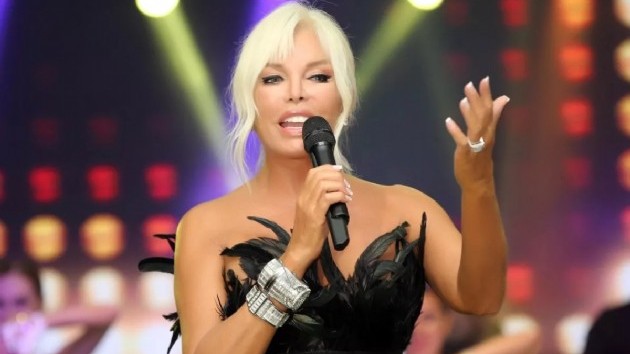
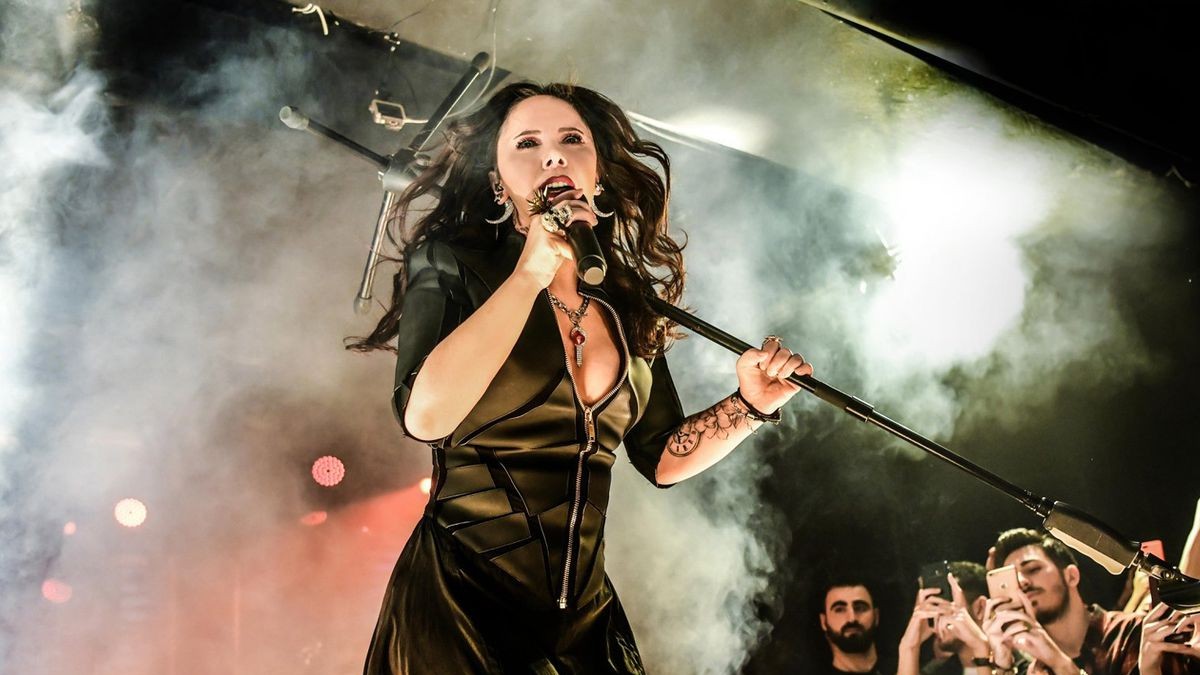
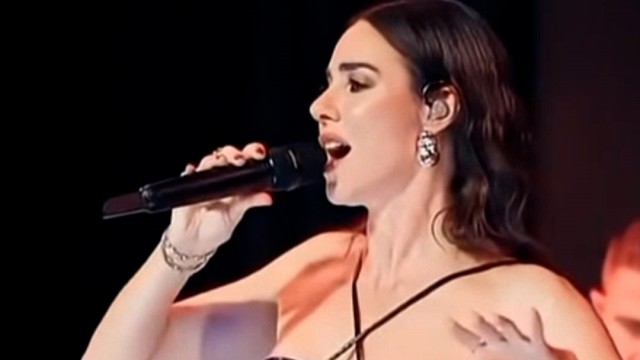
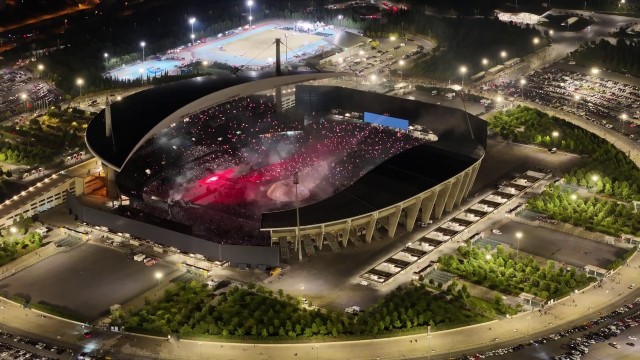
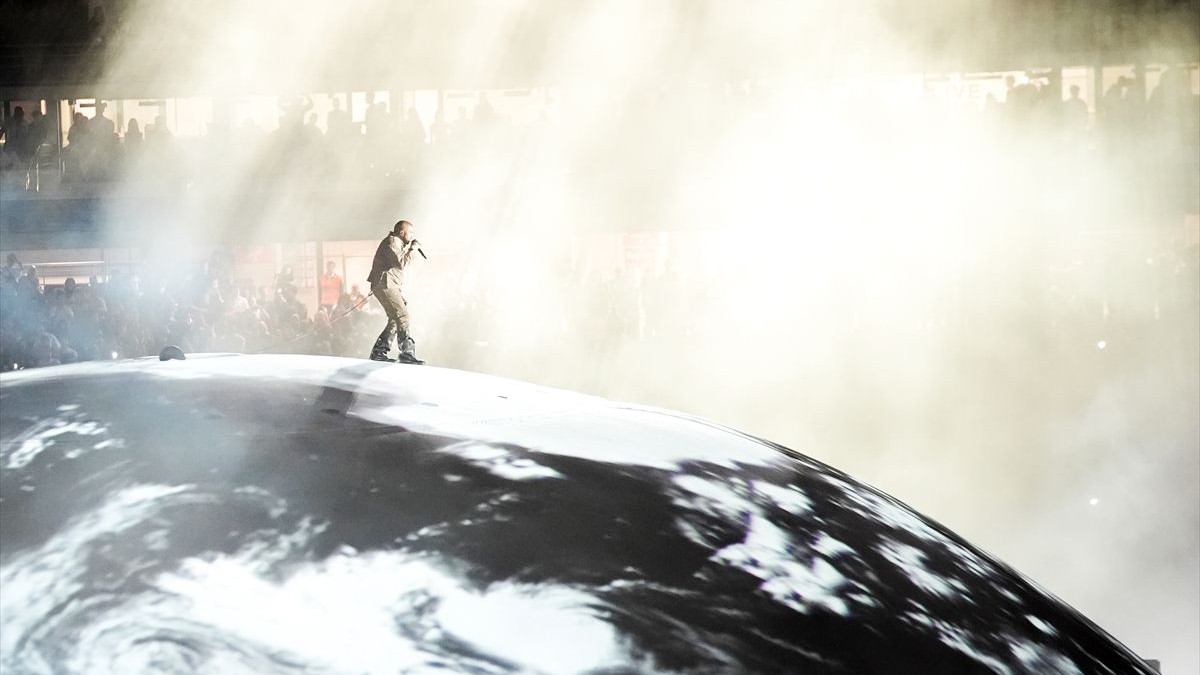
The Kastamonu Municipality held a public event on Twenty Four August to mark the anniversary of Atatürk’s arrival in Kastamonu, where singer Melek Mosso performed. The concert later sparked heated debate at the city council’s September regular meeting following sharp criticism from Ahmet Namlı, the AK Party group deputy chair.
Namlı’s Remarks
Namlı argued that certain displays “in the name of freedom” do not align with the city’s culture, adding that “if you don’t call out the immoral, they’ll lecture you on morality.” Pointing to the presence of headscarf-wearing girls in the front rows, he questioned whether such a performance “befits Kastamonu,” claiming he saw online that the artist “appeared as if she came without being dressed.”
Deputy Mayor’s Response: “Clothing is Personal; Don’t Police It”
Eda Büyükdemirci, the deputy mayor, called Namlı’s stance reactionary and said no one has the right to morally judge a woman’s outfit from a public podium. Linking such rhetoric to normalized violence and discrimination against women, she stressed: “You can’t disparage headscarves, nor mini skirts or shorts; dress is a personal right.” She noted that 15-17 thousand people attended the concert, indicating its social legitimacy.
Mayor Hasan Baltacı’s Position
Hasan Baltacı suggested the issue be viewed through the lens of social decay and degeneration rather than a binary of “moral/immoral.” “For us, a woman is a woman, regardless of attire—headscarved or not—and the choice belongs to her,” he said, thanking Melek Mosso for engaging with Kastamonu residents.
Overview
The 24 August concert triggered a broader conversation on individual freedoms, the bounds of “public morality,” and whether political platforms should police women’s clothing—set against high public turnout and arguments for choice and legitimacy.